Updated: July 2026
Diving Komodo by phinisi: top sites and trip planning
Defining Diving in Komodo National Park
Komodo National Park is a diver’s paradise, featuring some of the most spectacular underwater experiences in the world. Encompassing over 1,700 square kilometers, it offers diverse marine life, vibrant coral reefs, and thrilling currents. a seasoned diver or a novice, exploring this UNESCO World Heritage site by phinisi liveaboard provides unique opportunities to dive at some of the best spots, including Manta Point and Batu Bolong.
Phinisi Liveaboards: A Unique Experience
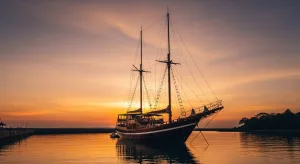
Traveling by phinisi—traditional wooden Indonesian sailing vessels—adds a unique charm to the diving experience in Komodo. These boats typically accommodate between 8 to 16 guests, offering both shared and private cabins. Most itineraries run for 3 to 7 days, with prices ranging from $500 to $1,500 USD per person, depending on the duration, boat quality, and included amenities. The price generally includes meals, accommodation, and diving gear rental, but it’s wise to check specifics with your provider.
Top Dive Sites in Komodo National Park
Komodo is famed for its diverse and vibrant dive sites. Here are a few that stand out:
- Manta Point: Known for its cleaning stations, this site is best for viewing manta rays. The ideal months for diving here are from April to November, with the best visibility during June and September. Depths typically range from 12 to 30 meters (39 to 98 feet).
- Batu Bolong: This pinnacle dive site is renowned for its rich biodiversity. Diving here, you may encounter everything from schools of fish to sharks. The current can be strong, making it suitable for at least Open Water certified divers. Depths vary significantly, usually between 5 to 30 meters (16 to 98 feet).
- Castle Rock and Crystal Rock: These sites are famous for their currents, attracting large pelagic species. They are recommended for advanced divers due to the varying current levels, which can be challenging. Expect depths of 15 to 40 meters (49 to 131 feet).
Itinerary Example for Diving Komodo
A typical komodo diving liveaboard itinerary lasts around 5 days, featuring 15 to 20 dives. Here’s a sample itinerary:
| Day | Activities | Dive Sites |
|---|---|---|
| 1 | Depart from Labuan Bajo, check dives | Siaba Besar, Siaba Kecil |
| 2 | Manta cleaning station | Manta Point, Batu Bolong |
| 3 | Explore rocky pinnacles | Castle Rock, Crystal Rock |
| 4 | Coral gardens and drift diving | Komodo Island, Pink Beach |
| 5 | Return to Labuan Bajo | Final check dive |
Dive Conditions and Certification Requirements
The diving conditions in Komodo can vary greatly, especially regarding currents. For sites like Batu Bolong and Castle Rock, a minimum certification of Open Water is required, while advanced divers are encouraged for more challenging dives. Beginners can dive Batu Bolong with experienced guides, provided they stay within safe depths and are monitored closely.
As a diver, it’s essential to understand the Komodo current levels. Generally, the current ranges from mild to strong. It’s wise to check the forecast and consult dive guides before heading out. Dives can go as deep as 40 meters; however, most sites are comfortably within the 20-30 meter range.
Diving Logistics: What To Expect
When planning diving in Komodo, logistics play a crucial role. Most trips depart from Labuan Bajo, the main gateway to the park. Here, dive shops and operators can assist you in selecting the right liveaboard for your needs. Expect to engage in approximately 3 to 4 dives per day, usually including a night dive if time permits. Nitrox is often available on phinisi boats, which can enhance your diving experience by reducing nitrogen absorption and extending bottom time.
Dive insurance is also a critical consideration. Ensure you have dive insurance that covers decompression sickness and other diving-related incidents. Many dive shops in Labuan Bajo can direct you to suitable providers, and prices vary widely depending on coverage.
Best Time to Dive Komodo
The best months for diving in Komodo vary by site and marine life. April to November generally offers the best conditions, with the peak season occurring from June to September. During these months, visibility can reach up to 30 meters (98 feet). Manta Point is particularly favorable from May to September, coinciding with the migration of manta rays to the area.
Combining Komodo and Labuan Bajo Adventures
Diving the Komodo National Park is often complemented by a land-based exploration of Labuan Bajo. Here, you can enjoy local cuisine, visit the local markets, or explore the nearby islands, such as Padar Island and Rinca Island, known for their Komodo dragon populations. Many liveaboard operators offer packages that include both diving and land tours, allowing you to experience the best of both worlds in one trip.
Frequently Asked Questions
- What is the minimum certification required for diving in Komodo? The minimum is Open Water. However, advanced certification is recommended for sites with strong currents.
- How many dives can I expect to do per day? Typically, you can enjoy 3 to 4 dives a day, depending on the itinerary.
- Can beginners dive at Batu Bolong? Yes, but under strict supervision and with experienced guides due to current conditions.
Diving in Komodo by phinisi offers an unforgettable experience, blending adventure and the beauty of the underwater world. Whether you choose a liveaboard or day trips, each dive site tells a story of marine wonder. Ready to explore? Book your adventure today!
Best Time to Dive in Komodo
Timing your dive trip in Komodo can significantly impact your experience. The dry season, from April to December, is considered the best time for diving due to calmer seas and clearer visibility, often reaching up to 30 meters. The peak months of July and August attract more divers, so consider booking early to secure your spot. Prices during this peak season can range from $1,000 to $1,500 for a week-long liveaboard trip.
During the wet season, from January to March, diving conditions can be less predictable, with occasional rain and stronger currents. However, this is also the time when certain marine life, like reef sharks and the elusive hammerhead, can be spotted more frequently, especially at sites like Castle Rock and Crystal Rock. If you don’t mind the occasional downpour, you may find lower prices around this season, with trips starting around $500 for a shorter 3-day liveaboard.
Essential Diving Gear and Equipment
While most liveaboards offer rental gear, bringing your own equipment can enhance your diving experience. Here’s a short checklist of essential gear to consider:
- Wetsuit: A 3mm wetsuit is ideal for Komodo’s waters, which generally range from 23°C to 28°C (73°F to 82°F). Bring a 5mm if you get cold easily.
- Dive Computer: A reliable dive computer is crucial, especially when strong currents at sites like Tatawa Kecil.
- Underwater Camera: With the vibrant marine life and coral formations, a good underwater camera can help capture your adventure.
- Reef Hook: Recommended for sites with strong currents, a reef hook allows you to stabilize yourself and enjoy the view without drifting.
Rental prices for gear on the boats typically start around $20 per day, but having your own can ensure comfort and familiarity.
Logistics of a Phinisi Liveaboard Trip
Planning a liveaboard trip requires consideration of a few logistical aspects. Most trips depart from Labuan Bajo, the gateway to Komodo National Park. Flights to Labuan Bajo from Bali typically cost between $60 to $150, and the flight duration is around 1.5 hours. Once in Labuan Bajo, you’ll find various liveaboard operators offering different itineraries.
It is advisable to book your liveaboard at least 2-3 months in advance, especially if you plan on traveling during peak season. Transfers from the airport to the harbor are often included in the liveaboard package, but confirm this with your operator. Be sure to budget for additional expenses such as national park fees, which are approximately $15 USD per day for divers.
Health and Safety Considerations
Before diving in Komodo, it’s important to be aware of health and safety guidelines. Ensure that you have comprehensive dive insurance that covers evacuation and medical attention. Most liveaboards will have a first-aid kit on board, but it’s wise to carry personal medications and a basic first-aid supply.
Additionally, staying hydrated is key, especially in the tropical heat. Always drink plenty of water before and after dives. If you are prone to seasickness, consider bringing medication or natural remedies such as ginger tablets. Lastly, ensure your dive certification is valid; many operators require at least an Open Water certification for diving in Komodo.
Explore more from Phinisibroker
- Phinisibroker — home
- Phinisi Broker vs Alternatives Comparison
- Best Time for Phinisi Broker
- 3-Day Phinisi Broker Itinerary
- Komodo trip planning: 3D2N and 4D3N sample itineraries
- Snorkeling Komodo from phinisi: sites for non-divers